
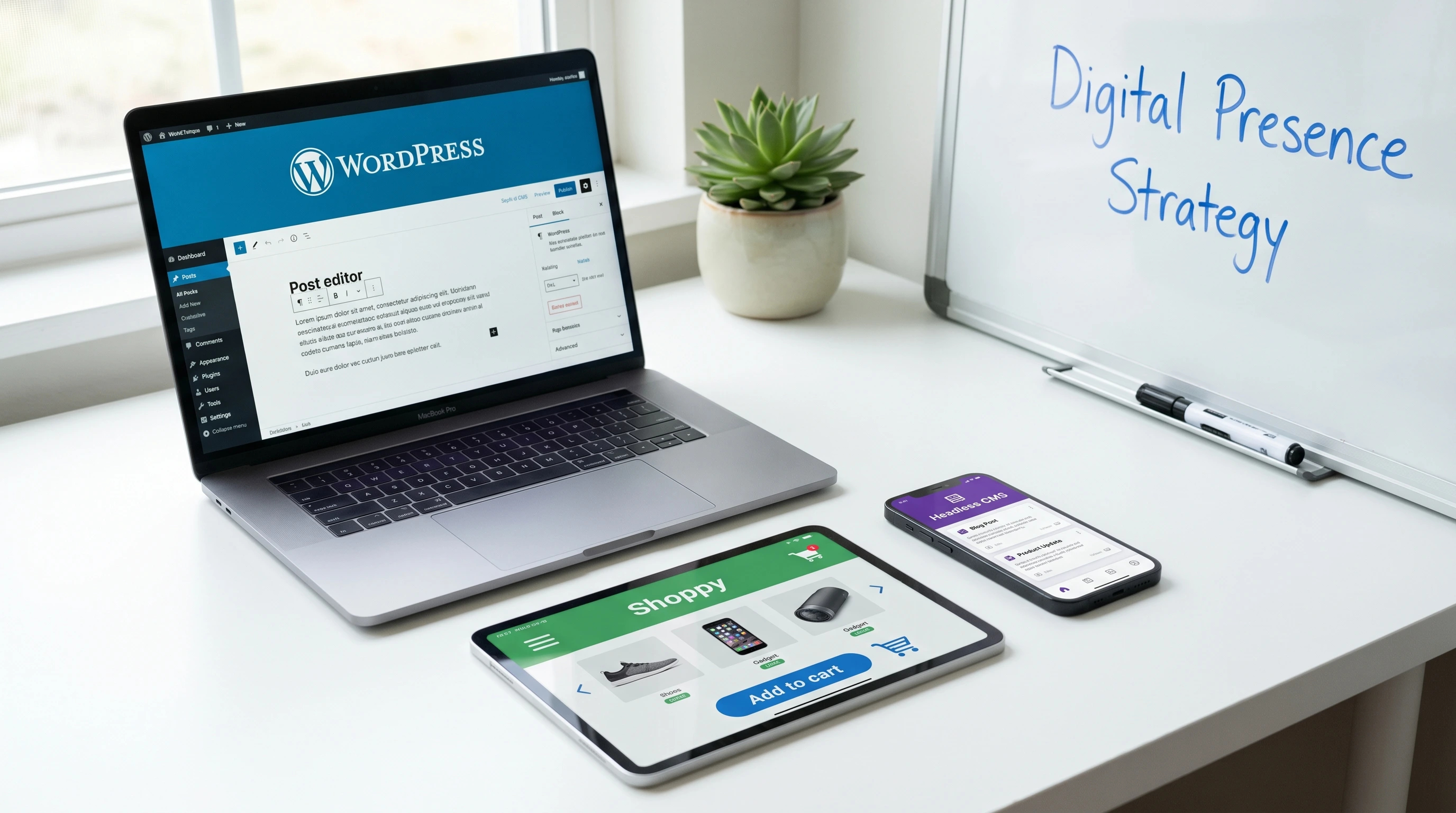
Content Management Systems (CMS) play a crucial role in effective website management, offering the tools necessary for businesses to develop and maintain their online presence. In this article, we explore the best content management systems available today, highlighting their key features, usability, scalability, and impact on business growth. As more organizations recognize the importance of digital presence, selecting the right CMS becomes essential for driving traffic, improving user experience, and ultimately boosting revenue. We analyze prominent platforms such as WordPress, Shopify, and Headless CMS, evaluate their specific advantages, and compare critical aspects-including usability, scalability, and security-that should guide your CMS selection.
Comparison of Leading CMS Platforms: WordPress, Shopify, and Headless CMS
The landscape of content management systems is rich with options, making it vital to compare leading platforms effectively. WordPress, Shopify, and Headless CMS each offer unique features and benefits tailored for different types of users and organizations. Below, we systematically explore their defining characteristics, usability, scalability, and potential impact on business growth.
Key Features of WordPress
WordPress is favored for its extensive plugin support, allowing businesses to enhance functionality effortlessly. It offers remarkable SEO capabilities, helping users optimize content to rank higher in search engines. Additionally, its user-friendly editor simplifies content creation, making it accessible to users without technical expertise.
Usability of WordPress
One of the primary reasons for WordPress's popularity is its ease of use. Non-technical users can manage their sites efficiently thanks to its intuitive interface, which supports seamless content management. Moreover, a plethora of tutorials and community support is available, ensuring users can quickly learn and troubleshoot when necessary.
Scalability of WordPress
WordPress's robustness allows it to handle significant traffic, making scalability a key strength. Businesses can start small and grow their website as needs increase without major overhauls. With suitable hosting solutions, high traffic levels become manageable, ensuring consistent site performance even during peak hours.
Impact of WordPress on Business Growth
Utilizing WordPress can lead to substantial business advantages. Its fast campaign launch capabilities allow businesses to adapt quickly to market demands, while its SEO-friendly structure enables increased visibility online. This content-driven approach translates into growth opportunities and increased engagement with potential customers.
Key Features of Shopify
Shopify is specifically designed for e-commerce, offering vital features such as seamless product management, integrated payment processing, and customizable storefronts. These functionalities make it an ideal choice for businesses aiming to establish online retail operations.
Usability of Shopify
Shopify's user experience emphasizes simplicity and ease of navigation. Users can set up their online stores without technical knowledge, as the platform guides them through every step of the process, from product listings to payment setup.
Scalability of Shopify
Shopify supports various business sizes from small startups to large enterprises. Its robust infrastructure is capable of scaling with the business, allowing seamless upgrades and the addition of features as the company's needs change.
Impact of Shopify on Business Growth
By leveraging Shopify, businesses can focus on growth with confidence. The platform's marketing tools support optimizing promotions and reaching wider audiences, ultimately leading to increased sales and customer acquisition.
Key Features of Headless CMS
Headless CMS separates the back-end content management from the front-end presentation, offering flexibility in content delivery. This approach allows developers to use any technology stack while also ensuring consistent UX across platforms, including websites, applications, and smart devices.
Usability of Headless CMS
Despite its advanced capabilities, the usability of Headless CMS can vary. While developers appreciate the flexibility and control, non-technical users may find it less intuitive than traditional platforms. Training and support become essential here to maximize its effectiveness.
Scalability of Headless CMS
The architecture of Headless CMS supports growth in a unique manner. By decoupling the content from its presentation, businesses can rapidly adopt new technologies and scale applications independently of back-end constraints.
Impact of Headless CMS on Business Growth
Headless CMS facilitates omnichannel strategies, which can enhance customer experiences across various touchpoints. This approach allows brands to remain agile and responsive to market demands, significantly benefiting overall growth.
What Are the Key Features of Leading Content Management Systems?
The key features that define leading CMS platforms include:
- Customization: Ability to tailor functionalities and design according to business needs.
- SEO Tools: Integrated features that enhance search engine visibility.
- User Management: Efficient administration of access rights for different levels of users.
- Analytics Integration: Support for gathering insights about user behavior to inform future strategies.
These features collectively empower businesses to not only create but also manage content more effectively, ensuring alignment with growth objectives.
How Do CMS Platforms Compare on Usability and Scalability?
Usability and scalability are crucial when choosing a CMS. For an agency that specializes in tailored digital solutions, professional guidance can be invaluable.
- WordPress excels in user-friendly systems for content updates but may require technical support for advanced needs.
- Shopify offers straightforward scalability aimed at e-commerce, making it easier for businesses to adjust their online presence as they grow.
- Headless CMS provides cutting-edge flexibility, ideal for companies ready to innovate, though it may pose a learning curve for less technical users.
Overall, businesses need to assess their specific requirements against these factors to make an informed choice.
Which Security Features Are Crucial in Modern CMS Solutions?
Security features are paramount in modern CMS solutions. Essential elements include:
- Regular Updates: Keeping software up to date to address vulnerabilities.
- SSL Support: Encrypting data to protect sensitive information during transactions.
- User Authentication: Implementing strong password policies and multi-factor authentication to safeguard accounts.
Investing in platforms offering robust security measures will ensure your content remains protected from threats.
Which CMS Platforms Are Best Suited for Ecommerce Websites?
For e-commerce, Shopify stands out due to its built-in features tailored for online selling, such as product management and payment processing. Other options like WooCommerce (an extension of WordPress) offer extensive flexibility for businesses.
How to Evaluate and Select the Optimal CMS for Your Industry Needs?
To choose the right CMS, consider:
- Business Type: Determine whether an e-commerce or content-focused platform is necessary.
- Growth Potential: Select a system capable of adapting to future needs.
- User Capability: Evaluate the technical expertise of the users who will manage the CMS.
These considerations will guide selection toward the most appropriate solution for individual business objectives.
What Criteria Should Enterprises Use to Assess CMS Platforms?
Enterprises should evaluate CMS platforms based on:
- Performance: How well does it handle high traffic?
- Support: Availability of customer support and resources.
- Integration Capabilities: How well does it connect with other tools and systems?
- Cost Efficiency: Consideration of both initial and ongoing costs.
Using these criteria will streamline the process of choosing a CMS that effectively meets enterprise demands.
How Does Inspirovate Creatives Integrate CMS with Digital Marketing Strategies?
Inspirovate Creatives, a full-service digital marketing and web development agency, provides end-to-end solutions that incorporate CMS evaluation and integration into comprehensive digital marketing strategies. By aligning CMS functionalities with marketing initiatives, businesses can optimize their online presence and enhance audience engagement, driving growth in various sectors such as e-commerce and tech. This holistic approach ensures that your chosen content management system optimally supports your broader marketing objectives and overall business growth, making it a crucial component of any successful digital strategy.
What Emerging Trends Are Shaping the Future of Content Management Systems?
Emerging trends influencing CMS technologies include:
- AI Integration: Leveraging artificial intelligence to personalize user experiences and enhance decision-making.
- No-Code Platforms: Increasing accessibility by enabling users to create and manage sites without extensive programming knowledge.
- Omnichannel Delivery: Focusing on consistent user experiences across various platforms and devices.
These trends will shape CMS evolution, providing businesses with new tools to connect with audiences effectively.
How Is AI Enhancing Content Management and Delivery?
AI is significantly transforming content management through features like automated content tagging, improved search functionalities, and personalized content delivery. These enhancements lead to more efficient workflows and greater audience satisfaction.
What Are the Benefits of Headless and Cloud-Native CMS Architectures?
Headless and cloud-native architectures offer numerous benefits, including:
- Flexibility: Developers can choose their tech stack and adapt quickly to changes in technology.
- Performance: Cloud-native solutions allow for better performance and scalability, accommodating user demands.
- Security: Enhanced security measures inherent in cloud architecture can protect sensitive data effectively.
These advantages position businesses to leverage cutting-edge technological advancements while managing their content effectively.