

Key Takeaways
The simplest way to learn how to get more Google reviews is to ask your customers soon after a good experience and give them a direct link to your review form. Asking politely and making it easy works better than pressure.
- Ask right after a clear win, such as a finished project, a delivered order, or a thank-you from the customer.
- Make it effortless with a direct review link, a QR code, or a short follow-up text or email.
- Ask every customer, not just the ones you expect to be happy.
- Never pay for reviews, write them yourself, or tell customers what to say. Read Google's current review policies before you launch any program.
- Reply to every review, good or bad. It shows future customers how you treat people.
- Turn it into a routine so reviews arrive steadily instead of in one rushed burst.
Why Do Google Reviews Matter for Local Businesses?
When someone searches for a service near them, your Google Business Profile is often one of the first things they see. Your star rating, your review count, and what past customers wrote all help shape the decision to call you or move on to the next option.
Reviews do two jobs at once. They give new customers confidence, and they give you honest feedback about what is working. A steady flow of recent, specific reviews tells a stronger story than a handful of old ones.
Reviews come from real customers describing real experiences. That is exactly why they must be earned honestly.
Why Do Most Businesses Struggle to Get Reviews?
Most happy customers simply never think about it. They are satisfied, they pay, and they move on with their day. Without a gentle nudge from you, your public rating may not reflect the typical experience of your customers.
The other common problem is friction. If a customer has to search for your business, find the right listing, and figure out where to click, many will give up. And some businesses go too far the other way, sending repeated reminders that feel like pressure. The goal is the middle path: one clear, friendly request that is easy to act on.
When Is the Best Time to Ask for a Google Review?
Ask when the customer feels the value you delivered. That moment depends on your business:
- Service businesses: right after the job is completed and the customer has confirmed they are happy with it.
- Project-based work: at launch, delivery, or a milestone review, when results are visible.
- Retail or ecommerce: after the order has arrived and the customer has had a few days to use it.
- Appointments: the same day or the next morning, while the visit is still fresh.
A good rule is to listen for praise. If a customer says "this looks great" or "thanks, that saved us a lot of time," that is your cue. You can say, "I'm glad that helped. Would you mind sharing that on Google? It really helps other people find us."
How Do You Make Leaving a Review Easy?
Every extra step costs you reviews. Remove as many as you can.
Use a direct review link
Google Business Profile gives you a way to share a link that sends customers to your review form. Find that option in your profile, copy the link, and put it in emails, text messages, and invoices so customers do not have to search for you.
Add a QR code where customers already are
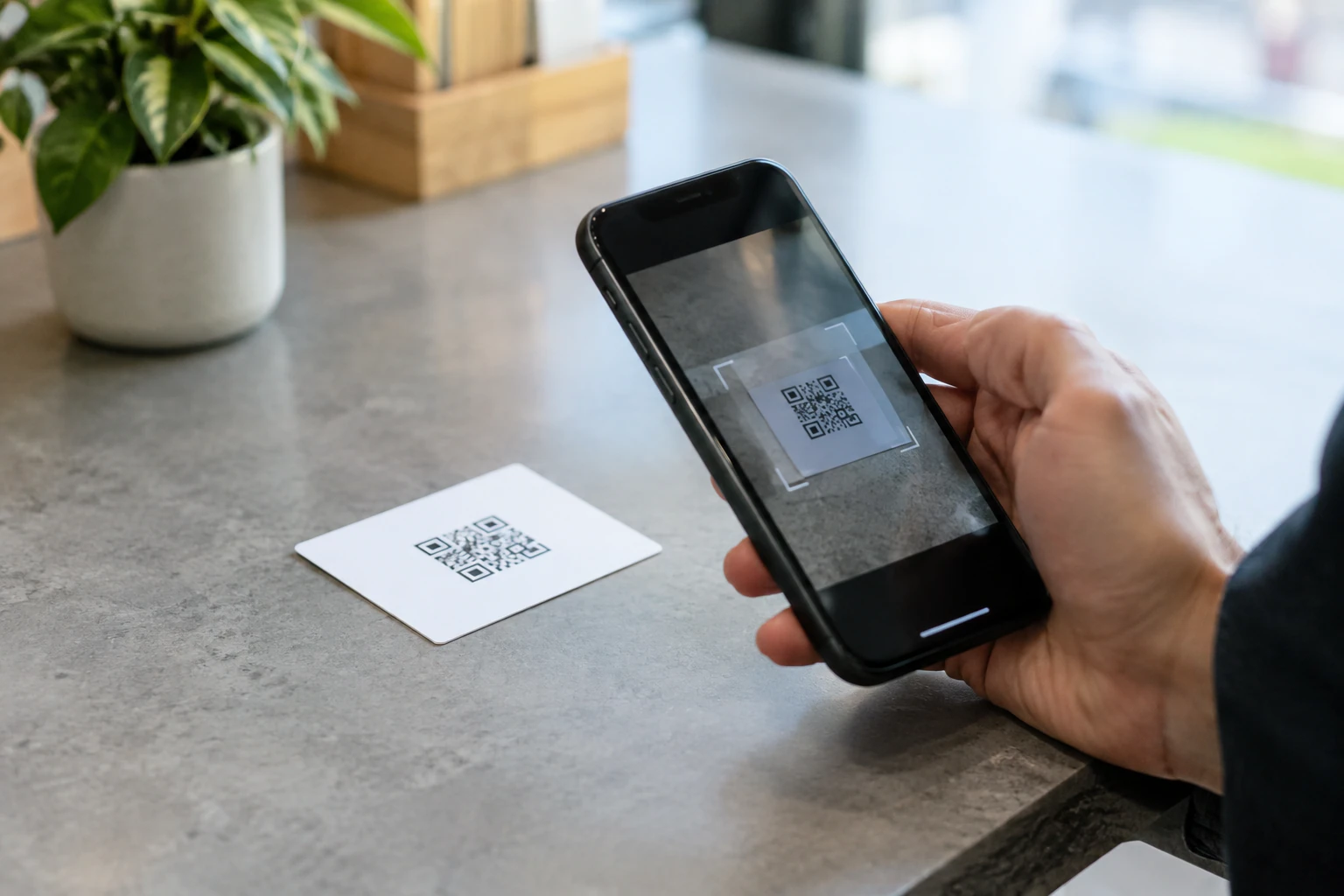
A QR code that points to your review link works well on printed materials: receipts, thank-you cards, packaging inserts, a counter sign, or a business card. Customers can scan it with a phone camera while they are still in front of you. Test the code yourself before you print anything.
Send a short follow-up message
A brief email or text the same day works well because it arrives while the experience is fresh. Keep it to a few sentences, include the link, and send it once. A single polite reminder a few days later is reasonable for people who did not respond. Beyond that, let it go.
What Should You Say When Asking for a Review?
The best requests are personal, short, and honest about why you are asking. Here is a simple structure:
- Thank them for the specific thing they did or said.
- Explain that reviews help other people find a business they can trust.
- Give them the link and say that any honest feedback is welcome.
For example: "Thanks again for working with us on the new site. If you have a minute, an honest review on Google would help other business owners find us. Here is the link."
Notice what this does not do. It does not ask for five stars, it does not offer anything in return, and it does not tell the customer what to write. Customers can tell when they are being scripted, and so can the people reading the reviews later.
Should You Offer Incentives or Only Ask Happy Customers?
Neither shortcut is a good idea. Paying or rewarding people for reviews, and screening customers so only the happy ones get the link, are practices that review platforms and consumer protection authorities take seriously. Rules in this area change, so read Google's current review policies and the relevant consumer protection guidance before you design any program. When in doubt, keep it simple: ask everyone and accept whatever they honestly say.
It is fine to thank customers sincerely. Just keep the thank-you separate from the request, and never make it conditional on what they write.

Who on Your Team Should Ask for Reviews?
The person closest to the customer is usually best. That might be the technician who finished the job, the account manager who ran the project, or the front-desk team member who greeted them.
To keep this consistent:
- Give the team a short, friendly script they can adapt in their own words.
- Keep the review link easy to find on their phones or in a shared document.
- Make the request the same way for every customer, so it never depends on a guess about who will be happy.
- Share the good reviews with the team so they see the effect of great service.
How Should You Respond to Google Reviews?
Responding is part of getting more reviews, because people notice whether a business is paying attention.
For positive reviews: thank the customer by name, mention something specific from their comment, and keep it short. Avoid copying the same reply to every review.
For negative reviews: stay calm and professional. Acknowledge the issue, apologize where it is warranted, and offer to continue the conversation offline. Do not argue or share private details. Your reply is really written for the next customer who is reading, not just the reviewer.
Replying promptly, ideally within a few days, signals that your business is active and cares about customers.
How Do Google Reviews Fit Into Local SEO?
Reviews are one part of a wider local presence. Your profile information, website content, service pages, and the consistency of your business details across the web all work together to help customers find you. Reviews add the human proof that turns a search result into a phone call.
If you want help connecting the pieces, our local and small business SEO services cover the search side of the process. As an official Google Partner with an in-house team across marketing, design, development, and video, we work with business owners who prefer one experienced partner instead of juggling several vendors.
How Do You Build a Simple Review Routine?
Consistency beats intensity. A short weekly habit is easier to keep than a big campaign.
- Pick your trigger. Decide the exact moment in your process when the ask happens.
- Prepare your tools. Save the review link, create a QR code, and write a short message template.
- Assign ownership. One person should be responsible for checking that requests go out.
- Review weekly. Spend ten minutes checking new reviews and replying.
- Learn from feedback. Look for patterns in what customers praise or criticize, and use them to improve your service and your marketing.
Over time, this creates a steady stream of recent reviews that reflect how your business actually operates today.
FAQ
Is it okay to ask customers for a Google review?
Yes. Asking politely is a normal business practice. The key is to ask honestly, ask everyone, and avoid pressure, rewards, or instructions about what to write.
How many times should I ask one customer?
Once is the best starting point. A single friendly reminder can be reasonable if they did not respond. More than that risks feeling pushy.
What if I get a negative review?
Respond professionally, address the concern, and invite the customer to continue the conversation privately. Future customers often judge you by how you respond.
Can I ask for reviews by text or email?
Yes, as long as you are contacting people who already do business with you and you follow the messaging rules that apply to your business. Keep the message short and include your direct review link.
How long does it take to build up reviews?
It depends on your customer volume and how consistently you ask. A steady routine builds results gradually, and it is better to grow reviews honestly than quickly.
Conclusion
Learning how to get more Google reviews is mostly about good habits: ask at the right moment, remove friction with a direct link or QR code, thank people sincerely, and respond to every review. Skip the shortcuts, such as paying for reviews or filtering out unhappy customers, and let your real customer experience speak for itself.
Reviews work best alongside a clear website, a strong local search presence, and a brand people recognize. If you want a site built to turn visitors into clients, see our website that brings clients page for a good next step.
Ready to grow your business? Get a free consultation with Inspirovate Creatives.
Written by Inspirovate Creatives.