
E-Commerce Website Features Checklist for Success: Essential Elements for Online Store Excellence
In competitive online retail, a well-structured e-commerce website is essential for conversions and customer satisfaction. This checklist covers core functional features, user-centric and responsive design, SEO, conversion-focused layouts, mobile optimization, analytics, and integrated marketing-so your store is built for measurable growth.
May 21, 2026
In the competitive landscape of online retail, having a well-structured e-commerce website is crucial for success. This article provides a comprehensive checklist of essential features that every e-commerce website should incorporate to enhance user experience and drive conversions. You will learn about core functionalities, design principles, and optimization strategies that contribute to an effective online store. As businesses strive to meet customer expectations, understanding these features can significantly impact sales and customer satisfaction. The following sections cover core functional features, user-centric design, SEO optimization, and more-ensuring your e-commerce platform is equipped for success.
Core Functional Features
Core functional features are the backbone of any e-commerce website, ensuring that it operates smoothly and meets customer needs. These features include essential elements such as shopping cart capabilities, payment gateway integration, and inventory management systems. A well-designed e-commerce platform must prioritize these functionalities to facilitate seamless transactions and enhance user satisfaction.
Compare the foundational capabilities every store should prioritize:
| Feature | Description | Importance |
|---|---|---|
| Shopping Cart | Allows users to add products for purchase | Essential for transaction completion |
| Payment Gateway | Facilitates secure online payments | Critical for customer trust and security |
| Inventory Management | Tracks product availability and stock levels | Vital for operational efficiency |
Integrating these core features not only streamlines the shopping experience but also builds customer confidence in the platform. Inspirovate Creatives offers tailored e-commerce website development services that incorporate these essential features, ensuring a robust online presence.
User-Centric Design
User-centric design focuses on creating an intuitive and engaging experience for visitors. This approach emphasizes easy navigation, accessibility of information, and overall aesthetic appeal. By prioritizing user experience, e-commerce websites can reduce bounce rates and increase customer retention.
A well-structured user interface allows customers to find products quickly and efficiently. Key elements of user-centric design include:
- Clear Call-to-Action Buttons: These guide users toward desired actions, such as making a purchase or signing up for newsletters.
- Consistent Branding: A cohesive visual identity helps build brand recognition and trust.
- Responsive Layouts: Ensuring that the website functions well on various devices enhances accessibility.
By implementing these design principles, e-commerce platforms can create a more enjoyable shopping experience, ultimately leading to higher conversion rates.
Responsive Design
Responsive design is essential for ensuring that e-commerce websites function seamlessly across different devices, including desktops, tablets, and smartphones. This adaptability is crucial as more consumers shop using mobile devices. A responsive design enhances user engagement by providing a consistent experience, regardless of the device used.
Key benefits of responsive design include:
- Improved User Experience: Users can navigate the site easily, leading to increased satisfaction.
- Higher Search Engine Rankings: Search engines favor mobile-friendly websites, improving visibility.
- Cost Efficiency: Maintaining a single responsive site is more cost-effective than managing separate mobile and desktop versions.
Investing in responsive design is a strategic move that can significantly impact an e-commerce site's performance and reach.
SEO Optimization
Search Engine Optimization (SEO) is vital for increasing the visibility of e-commerce websites in search engine results. Effective SEO strategies enhance organic traffic, making it easier for potential customers to discover products. Key components of SEO for e-commerce include keyword optimization, meta tags, and high-quality content.
To optimize an e-commerce site for search engines, consider the following strategies:
- Keyword Research: Identify relevant keywords that potential customers are searching for.
- On-Page SEO: Optimize product descriptions, titles, and images with targeted keywords.
- Link Building: Establish backlinks from reputable sites to improve domain authority.
By implementing these SEO practices, e-commerce businesses can improve their online visibility and attract more customers.
Conversion-Focused Design
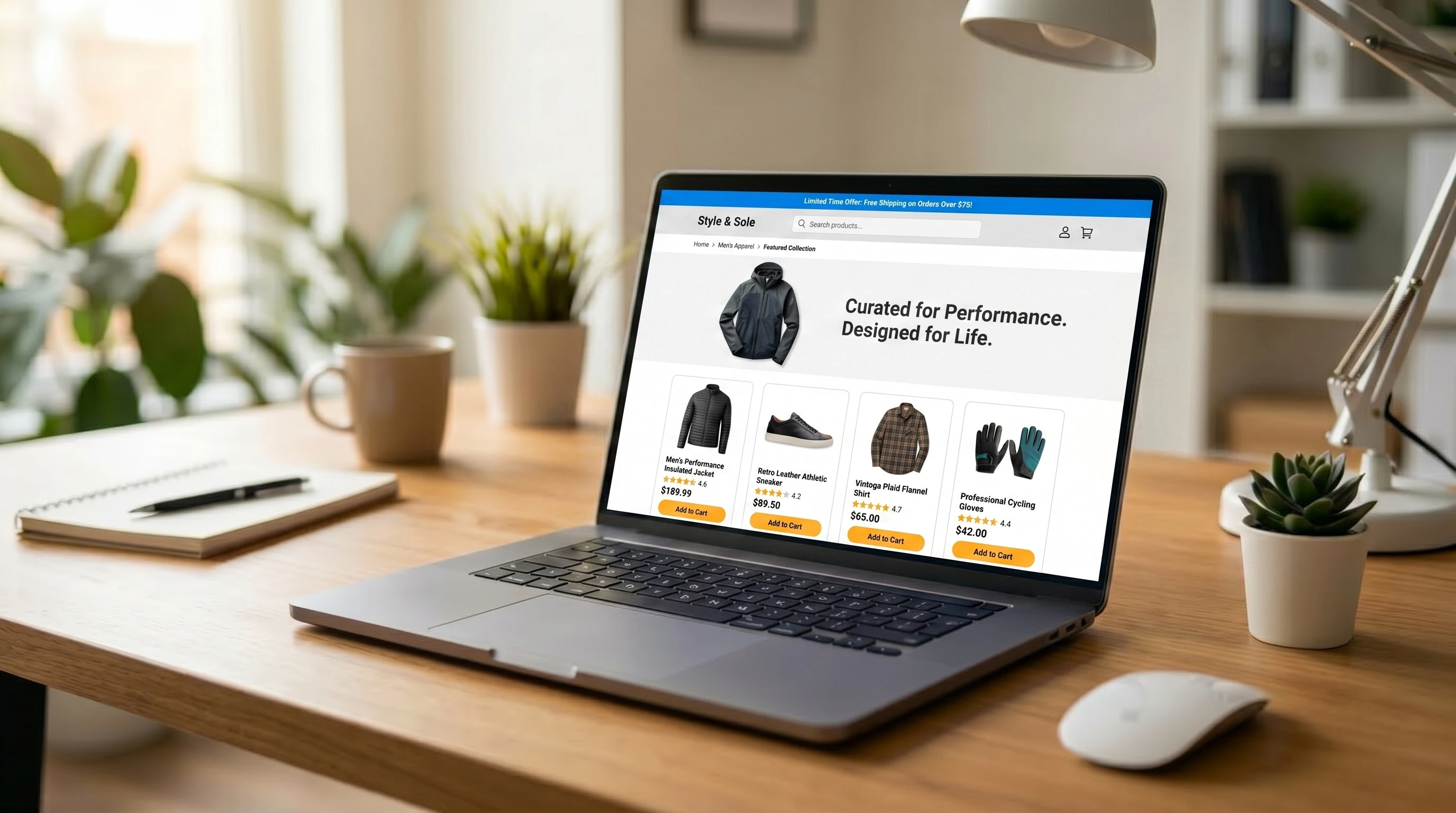
Conversion-focused design aims to create layouts that guide users toward making purchases. This approach involves strategically placing elements such as product recommendations, customer reviews, and promotional banners to encourage buying behavior.
Key aspects of conversion-focused design include:
- Trust Signals: Displaying customer reviews and security badges can enhance credibility.
- Limited-Time Offers: Creating urgency through time-sensitive promotions can drive immediate purchases.
- Simplified Checkout Process: Reducing the number of steps in the checkout process minimizes cart abandonment.
By focusing on these design elements, e-commerce websites can significantly improve their conversion rates.
Mobile Optimization
With the increasing prevalence of mobile shopping, mobile optimization is no longer optional; it is essential. A mobile-optimized website ensures that users have a smooth and efficient shopping experience on their smartphones and tablets.
Key considerations for mobile optimization include:
- Fast Loading Times: Mobile users expect quick access to information, so optimizing load times is crucial.
- Touch-Friendly Navigation: Buttons and links should be easily clickable to enhance usability.
- Readable Text: Ensuring that text is legible without zooming improves the overall experience.
By prioritizing mobile optimization, e-commerce businesses can cater to a broader audience and enhance customer satisfaction.
Intuitive Navigation
Intuitive navigation is critical for helping users find products quickly and easily. A well-structured navigation system reduces frustration and encourages exploration of the site.
Key features of intuitive navigation include:
- Clear Categories: Organizing products into logical categories helps users locate items efficiently.
- Search Functionality: A robust search feature allows users to find specific products without hassle.
- Breadcrumbs: These provide users with a clear path back to previous pages, enhancing usability.
Implementing intuitive navigation can significantly improve user experience and increase the likelihood of conversions.
Analytics and Performance Tracking
Monitoring site performance through analytics is essential for understanding user behavior and making data-driven improvements. By analyzing metrics such as traffic sources, conversion rates, and user engagement, e-commerce businesses can identify areas for enhancement.
Key metrics to track include:
- Bounce Rate: Indicates the percentage of visitors who leave the site after viewing only one page.
- Average Session Duration: Measures how long users stay on the site, providing insights into engagement.
- Conversion Rate: Tracks the percentage of visitors who complete a desired action, such as making a purchase.
Utilizing analytics tools allows businesses to make informed decisions that enhance the overall performance of their e-commerce websites.
Landing Page Optimization
Landing page optimization focuses on improving the effectiveness of specific pages designed to convert visitors into customers. This process involves testing various elements to determine what resonates best with the target audience.
Key strategies for landing page optimization include:
- Compelling Headlines: Captivating headlines grab attention and encourage users to read further.
- Engaging Visuals: High-quality images and videos can enhance the appeal of products.
- Clear Value Proposition: Clearly communicating the benefits of a product can persuade users to make a purchase.
By optimizing landing pages, e-commerce businesses can significantly increase their conversion rates and drive sales.
Email and Ad Funnels
Email and ad funnels are essential for nurturing leads and guiding potential customers through the buying process. These funnels involve a series of targeted communications designed to engage users and encourage conversions.
Key components of effective email and ad funnels include:
- Segmentation: Tailoring messages to specific audience segments increases relevance and engagement.
- Personalization: Personalized content can enhance user experience and drive conversions.
- Follow-Up Sequences: Automated follow-ups can remind users of abandoned carts or promote new products.
Implementing effective email and ad funnels can significantly boost sales and customer loyalty.
AI-Powered Tools
AI-powered tools are revolutionizing the e-commerce landscape by providing advanced solutions for enhancing user experience and operational efficiency. These tools leverage machine learning and data analytics to deliver personalized experiences and streamline processes.
Key applications of AI in e-commerce include:
- Personalized Recommendations: AI algorithms analyze user behavior to suggest products tailored to individual preferences.
- Chatbots: These provide instant customer support, answering queries and assisting with purchases.
- Inventory Management: AI can predict demand trends, helping businesses optimize stock levels.
By integrating AI-powered tools, e-commerce businesses can enhance customer satisfaction and improve operational efficiency.
Usability Testing
Usability testing is a critical process for identifying pain points in the user experience. By observing real users as they interact with the website, businesses can gather valuable insights into areas that require improvement.
Key aspects of usability testing include:
- User Feedback: Collecting feedback from users helps identify issues and areas for enhancement.
- A/B Testing: Testing different versions of a webpage can reveal which design elements perform better.
- Task Completion Rates: Measuring how easily users can complete specific tasks provides insights into usability.
Conducting regular usability testing ensures that e-commerce websites remain user-friendly and effective in meeting customer needs.
Understanding the elements of effective usability is critical for increasing consumer trust and purchase intention, moving beyond mere functionality to address user emotions.
E-commerce Website Checklist: Usability, Trust & Purchase Intention
Usability has played a big role in refining the design of a website. Effective design of e-commerce web interfaces potentially increases perceived trust of its consumers. It is thus critical that e-commerce designers understand usability issues pertaining to e-commerce. However, usability looks only at functionalities and we have moved beyond usability towards user's emotions. The purpose of this study is to design a preliminary checklist using Kansei Engineering for an e-commerce perspective, which can contribute towards trust and purchase intention of consumers in the Malaysia context.
Designing a checklist for an e-commerce website using Kansei Engineering, KN Goh, 2013
Integrated Marketing Strategies
Integrated marketing strategies are essential for creating a cohesive brand message across all channels. This approach ensures that marketing efforts are aligned and resonate with the target audience.
Key components of integrated marketing strategies include:
- Consistent Messaging: Maintaining a unified message across platforms enhances brand recognition.
- Cross-Channel Promotion: Leveraging multiple channels, such as social media, email, and paid advertising, maximizes reach.
- Data-Driven Decisions: Analyzing performance metrics across channels allows businesses to refine their strategies.
By implementing integrated marketing strategies, e-commerce businesses can create a strong brand presence and drive customer engagement.
For comprehensive support in building and optimizing your online store, explore Inspirovate Creatives. We specialize in high-performing e-commerce websites tailored to your business needs-integrating every essential feature on this checklist so your platform stands out in the competitive digital marketplace.

How Mobile App API Integration Enhances User Experience for Business Growth
In the digital age, mobile app integration has become a cornerstone for enhancing user experience and driving business growth. By seamlessly connecting mobile applications with backend systems and third-party APIs, businesses can create a more cohesive and engaging user journey. This article explores the key benefits of mobile app integration, best practices for user experience design, the role of integration platforms, and the unique challenges faced in industries such as healthcare, finance, and e-commerce.

Maximize Your Brand Presence With Social Media Management Services: Effective Strategies for Business Growth
In the digital age, building brand visibility requires disciplined social media management across platforms. This article outlines effective growth strategies-performance and paid media reviews, brand and visual identity alignment, and content strategy with website audits-along with engagement tactics, KPIs for success, complementary digital marketing services, and platform-specific execution.

Expert User Experience Design Services to Enhance Your Business Growth
Explore how expert UX design reduces bounce rates, boosts conversions, and drives growth. Learn actionable strategies-usability enhancements, user research, and testing-plus how to choose the right UX partner. See how UX integrated with digital marketing elevates customer journeys across e-commerce, healthcare, and financial services, with every design decision tied to measurable KPIs and long-term retention.